
Rest IS Critical For Regenerative Culture

August, much like late December, is a time that a lot of people take off. We want to encourage that! Rest is such a critical part of regeneration.
Note that we are not talking about the kinds of vacations that leave you feeling more exhausted afterwards than when you started! If your vacation is not rest-full and regenerative, then you probably need to consider when and how are you going to rest. Sometimes, you need a vacation from a vacation!
Below we've put together some thoughts about these themes, and we hope that you find some cool, down time in your rhythms this month!
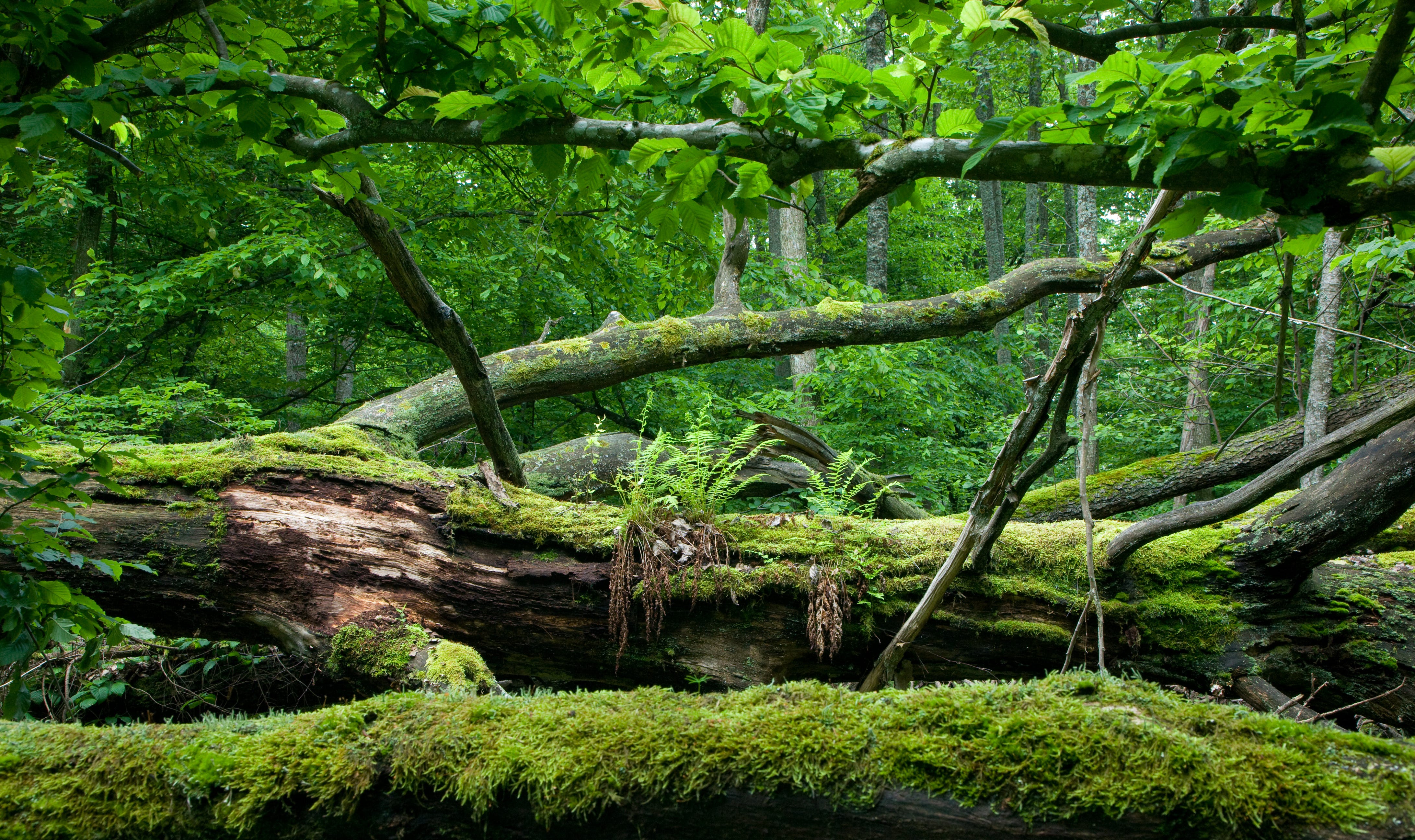
The Science of Rest: How Nature Regenerates Through Renewal
Whether in the depths of winter when a deciduous forest appears lifeless, or during summer's midday heat when Mediterranean ecosystems enter their own form of dormancy, nature demonstrates that rest is woven into the fabric of life itself. Beneath winter's apparent dormancy, trees channel energy into their root systems while soil organisms break down fallen leaves into rich nutrients. During summer's scorching heat, Mediterranean plants close their stomata and many animals retreat to cool refuges, while entire landscapes enter a drought-induced rest period. Even after disturbances like wildfires, the apparent devastation masks underground regeneration as seeds germinate in mineral-rich ash and root networks slowly rebuild. This isn't passive waiting; it's active restoration through rest.
This principle—that rest is not the absence of productivity but rather its foundation—operates across every scale of life, from the cellular level to entire ecosystems. Understanding these natural rhythms offers profound insights for how we structure our human systems, including our organizations and communities.
Biological Restoration: Akin to a Cellular Sabbath?
At the most fundamental level, rest enables biological regeneration through processes that simply cannot occur during active periods. During sleep, our brains activate the glymphatic system—essentially a biological dishwasher that clears metabolic waste from neural tissue. Meanwhile, growth hormone surges through our bloodstream, triggering cellular repair and the synthesis of new proteins throughout the body.
Our muscles demonstrate this principle beautifully. When we exercise, we create microscopic tears in muscle fibers. It's during rest—specifically during deep sleep phases—that these fibers rebuild stronger than before. Satellite cells, dormant during activity, spring into action during recovery, fusing with damaged muscle fibers and literally growing new tissue. Without adequate rest between training sessions, muscles break down faster than they can rebuild, leading to injury and decreased performance.
This cellular regeneration extends beyond muscle tissue. Our immune system produces infection-fighting cells most actively during sleep. Skin cells regenerate fastest during nighttime hours. Even our digestive system requires rest periods—the migrating motor complex, which sweeps undigested particles through our intestines, only activates during fasting periods between meals.
Plants, too, follow these rhythms. Many fruit trees won't produce without sufficient "chilling hours" in winter, while others time their cellular repair processes to nighttime hours when photosynthesis isn't competing for energy resources.
Research from Harvard Medical School shows that chronic sleep deprivation doesn't just make us tired—it fundamentally impairs our immune system, cognitive function, and cellular repair mechanisms. Sleep deprivation increases the levels of many inflammatory mediators, while research has found that sleep deprivation is associated with markers of inflammation, such as increases in inflammatory molecules — including cytokines, interleukin-6, C-reactive protein.
The body treats continuous activity as a chronic stressor, ultimately breaking down the very systems it's trying to maintain.
Agricultural Wisdom: Letting Land Lie Fallow
Farmers have understood the power of rest for millennia. Crop rotation and fallow periods in fields aren't signs of agricultural laziness—they're sophisticated restoration strategies. When fields rest, soil microorganisms rebuild, nitrogen-fixing bacteria replenish nutrients, and beneficial fungi extend their networks. Research shows that properly managed fallow periods and organic residues can significantly improve soil quality and microbial diversity, while traditional agricultural societies built their own social calendars around these rhythms, both recognizing and showing that the land's rest periods were opportunities for community building, skill development, and cultural renewal.
A critically important point here is that the calendar can support the values and understanding of the whole community. That's part of why we at Re think about circular and cyclical calendar systems, and part of why thinking through organizational structure for different kinds of work and different kinds of rest is so important to what we do. Not that we get it right all the time, but we keep working towards it! Supported by many of you!
Social Regeneration: Communities That Breathe
Human communities, too, require rhythms of engagement and renewal. Anthropological research on traditional societies shows that cultures with built-in rest periods—seasonal festivals, weekly sabbaths, or regular community gatherings—demonstrate greater social cohesion and resilience during crises.
This understanding has gained new urgency through the work of activists like Tricia Hersey, founder of The Nap Ministry, who frames rest as a form of resistance against exploitative systems. "To not rest is really being violent towards your body," Hersey observes. "To align yourself with a system that says, 'Your body doesn't belong to you, keep working, you are simply a tool for our production'—to align yourself with that is a slow spiritual death as well."
Much modern research confirms this wisdom. Studies of workplace productivity consistently show that countries with generous vacation policies and shorter working hours often outperform those with "always-on" cultures in measures of innovation, job satisfaction, and even economic output per hour worked.
From Understanding to Action
Recognizing how fundamental rest is to regenerative processes—not just "out there" in nature, but "in here" within our human systems—led our organization to make a significant shift in early January 2025. We restructured our leave policy to include generous paid leave. We work deliberately to create networks and work flows that can support someone to take extended time off if they need to.
Many would call this radical. Even impossible.
It is rooted...which is part of where the word 'radical' comes from! But it's not impossible.
This year, our staff have needed this generous leave policy. Early on this year, one of our staff experienced serious bereavements in her family. She needed to step away for a period of time. She literally couldn't do anything else during that time. Fortunately, we already had the conditions in place to support her. She is now working full time - and she is bringing so much value to the team in part because she was able to take the time she needed when she needed it.
This simple policy shift has enabled incredible people to work with us and to keep working with us..... and it has enabled us to live our values of becoming a regenerative organization internally, as well as externally.
Had she been forced to "push through" that period of grief, it wouldn't have been good for her short or long-term mental or physical health. And we as an organization wouldn't have gained much from that forced productivity either. So we're confident this is the right approach.
We understand that not all nonprofits can take this exact approach.
But we do hope that all of you—no matter what kinds of organizations you work for or are part of—can ask: What is the most expansive and generative leave policy possible for your context? What do you actually need in terms of downtime to really show up at work, refreshed and whole?
And - what kinds of activities enable regeneration.... for you?
Some people are rejuvenated through music - perhaps attending a music festival. Others swim in a mountain lake in the midst of summer. Others take a lot of naps in an air conditioned room. Others rest on the hammock. Others through reading. Others through gentle gardening.
It doesn't have to be just sleeping. But sleeping really is important!
The forest after the fire teaches us that what looks like emptiness is often fullness preparing to emerge. As Hersey reminds us, our bodies themselves are "a site of liberation"—spaces where we can reconnect with deeper rhythms of renewal and resistance. Perhaps it's time our human systems learned the same lesson, recognizing that rest isn't the opposite of productivity, but its very foundation.
Upcoming event:
Introduction to Land Justice: August 27 - Land Justice Futures